México · Colombia

Not just a life.
A life they love.

No solo una vida. Una vida que amen.

We build long-term development programs inside children's homes in Mexico and Colombia — belonging, English, life skills and a real route into work — so that a young person leaves care with a future rather than an exit date.

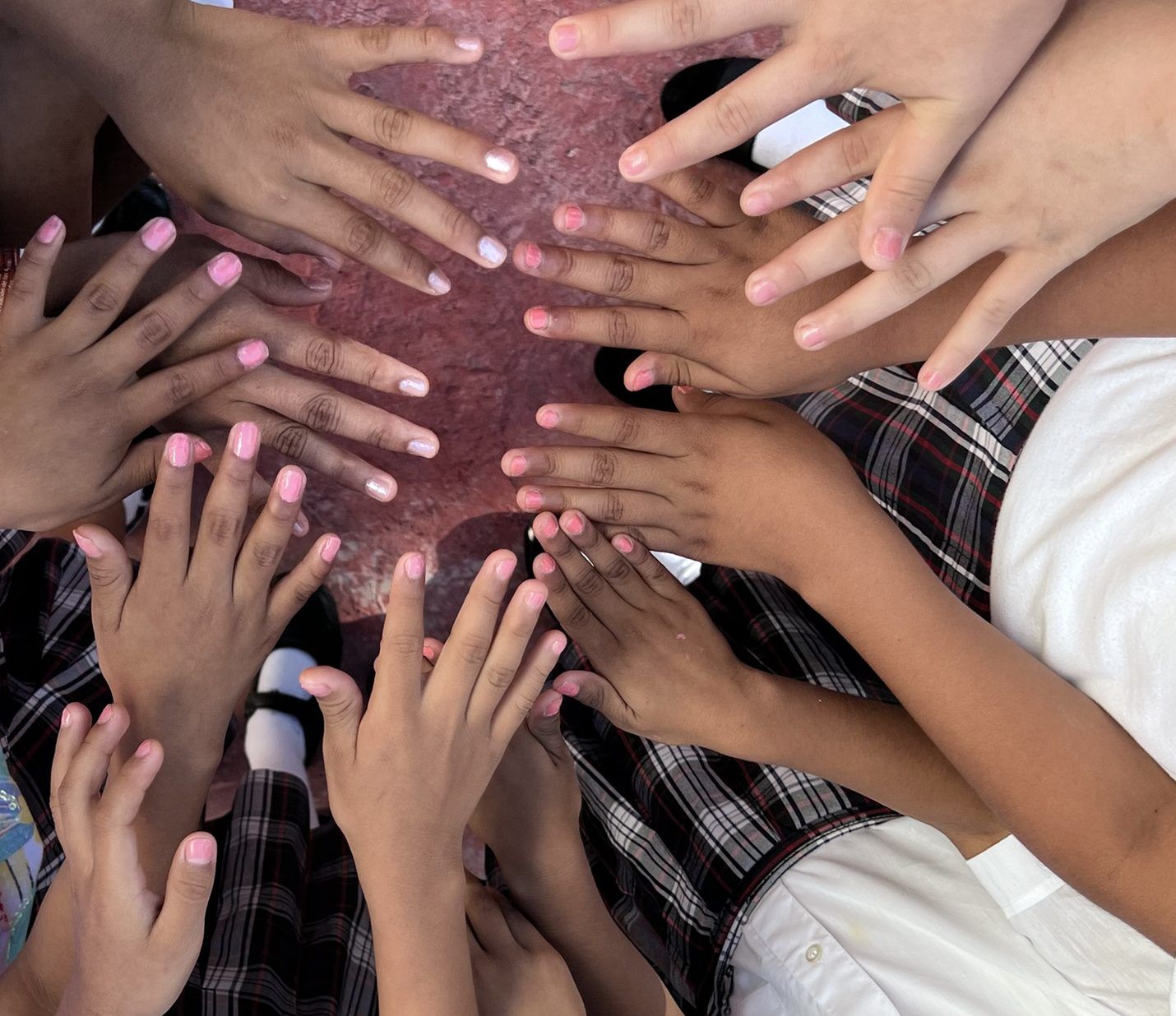
A circle of children's hands reaching inward, nails freshly painted

Who

Children and young people in residential care

Ages two to eighteen, plus the two years after they leave.

Where

Mexico and Colombia

Chiapas, Oaxaca, Guanajuato and Jalisco. Colombia's Caribbean coast.

What we run

One program, installed inside a partner home

Social development, English, workforce readiness, and the transition into adult life.

Where we are today

In formation

The entity is being established. No results yet, and we will not pretend otherwise.

How it started

We were sitting in a small pueblo in Mexico, the two of us, just talking. We had been visiting children's homes and we couldn't stop thinking about what we'd seen. The children were fed. They were clothed. They were in school. By every measure that goes into a report, they were fine.

And they were going through the motions.

We were crying a little, because we wanted so badly to help and didn't know how. And then Elvia said:

“Papi, I don't want these kids to just go through the motions in life. I want them to love their life!

Elvia Kimball, founder

That is the whole foundation. She said it in two languages without thinking about it, the way she says most things, and we haven't found a better sentence since.

Everyone has heard live la vida.
We are after the other verb.

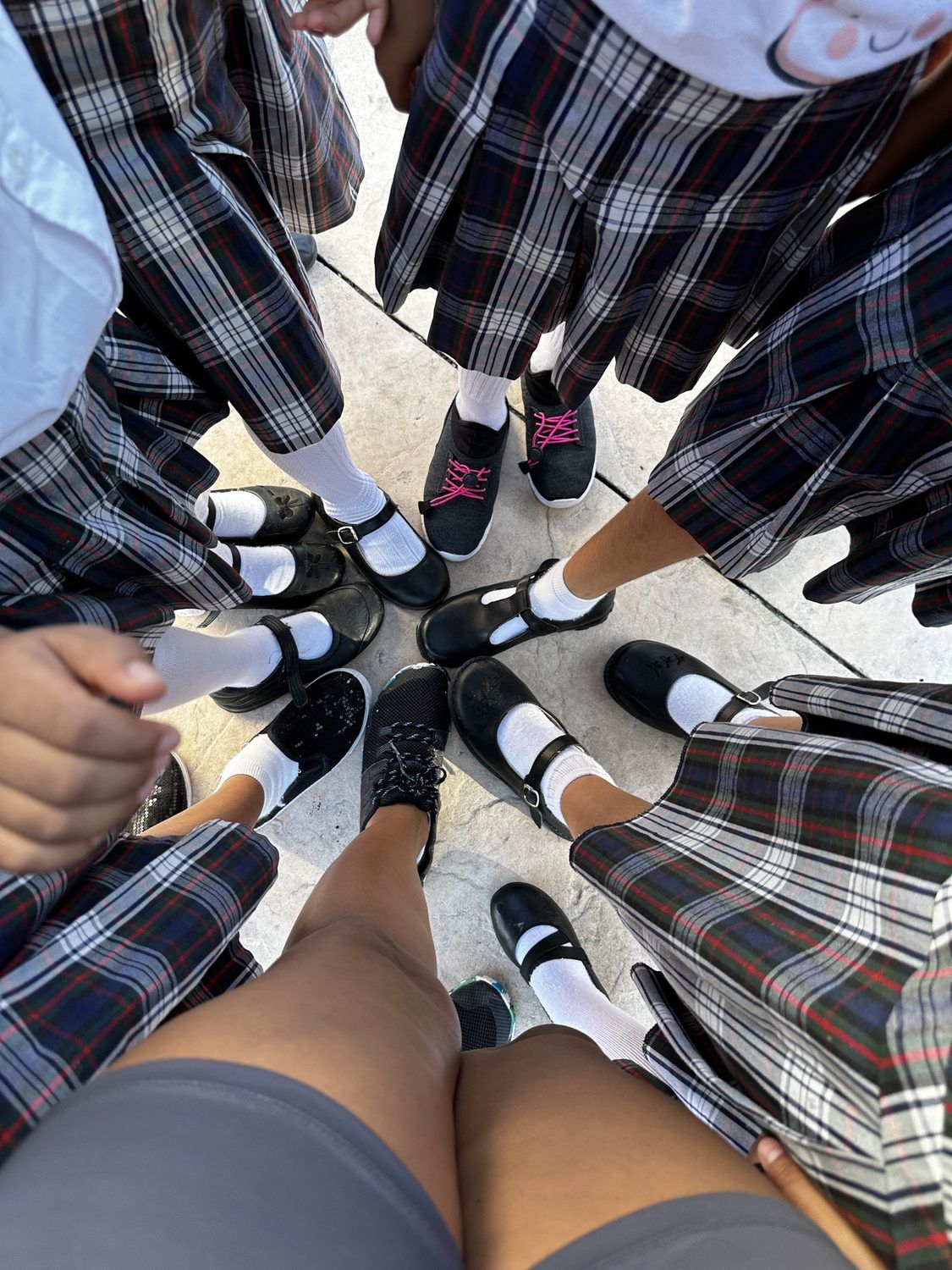
School shoes gathered in a circle on a tiled courtyard floor
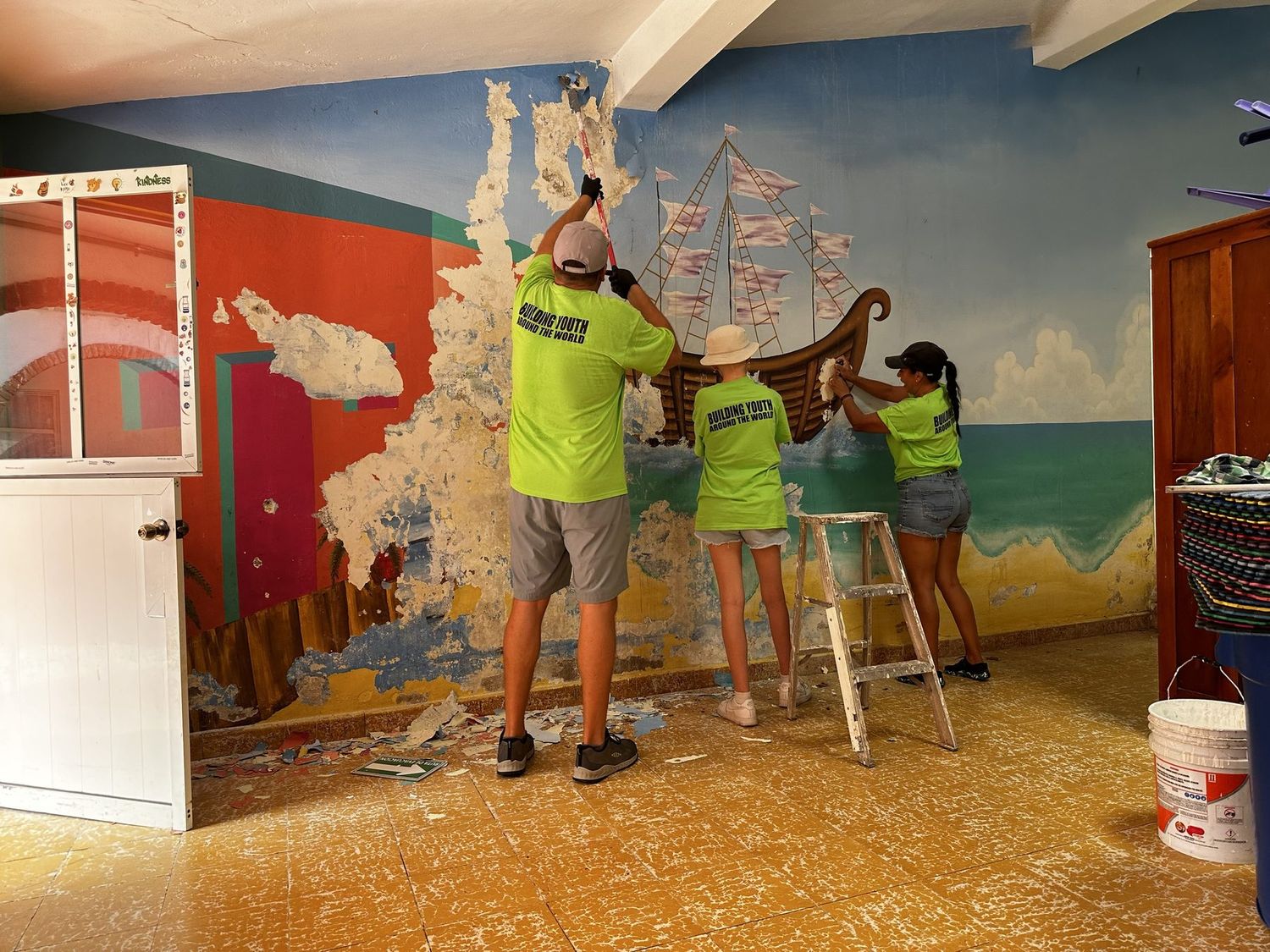
Volunteers repairing a painted mural wall inside a children's home

Chiapas, Mexico, 2023 — the visit this foundation grew out of. Scott's daughter Rylie came with us and worked on that wall, shortly after finishing her third round of chemotherapy.

Real moments. Protected identities.

Every photograph here is real. We do not publish images of the children we serve — not their faces, not their names, and never a name alongside a place. Where a moment can only be shown with a child in it, we publish an illustration instead, and the people in those illustrations are invented.

Why this one

Thousands of organizations help children in Latin America. Six things make this one different.

We built a program, not a grant budget

Los Caminos de la Vida is a curriculum, a schedule, a training package and a measurement instrument that installs inside an existing home in ninety days. Most funders send money. We send a method, and then we train local staff to run it without us.

We fund the part nobody funds

Food, beds, uniforms and schooling are necessary and comparatively well covered. Belonging, agency, mastery and a horizon are not — because they are hard to photograph and harder to evidence. That gap is the entire reason we exist.

We pay for continuity, not for visits

The injury these young people carry is that adults arrive and then stop arriving. So the long relationships belong to trained mentors who stay three years with the same six to eight young people. Visitors are welcome, and warmly — they just come as a group and leave as a group.

We follow them past eighteen

Institutional care ends on a birthday and most support ends with it. Our program runs twelve to twenty-four months past that date, and the indicator we hold ourselves to is where a young person is six, twelve and twenty-four months after leaving.

We work in Spanish, without an interpreter

Both founders are bilingual and speak Spanish at home every day. We talk to directors, teachers, mentors and young people ourselves. In this work that is not a convenience — it is the difference between knowing what is happening and being told about it.

We will publish what fails

Once a year, with the same prominence as what worked. We would rather lose a donor early than build an organization that has to manage its own story.
What we do

Four things, and we measure all four

Most organizations serving children in institutions fund survival. We fund the part that decides whether a young person wants their own future.

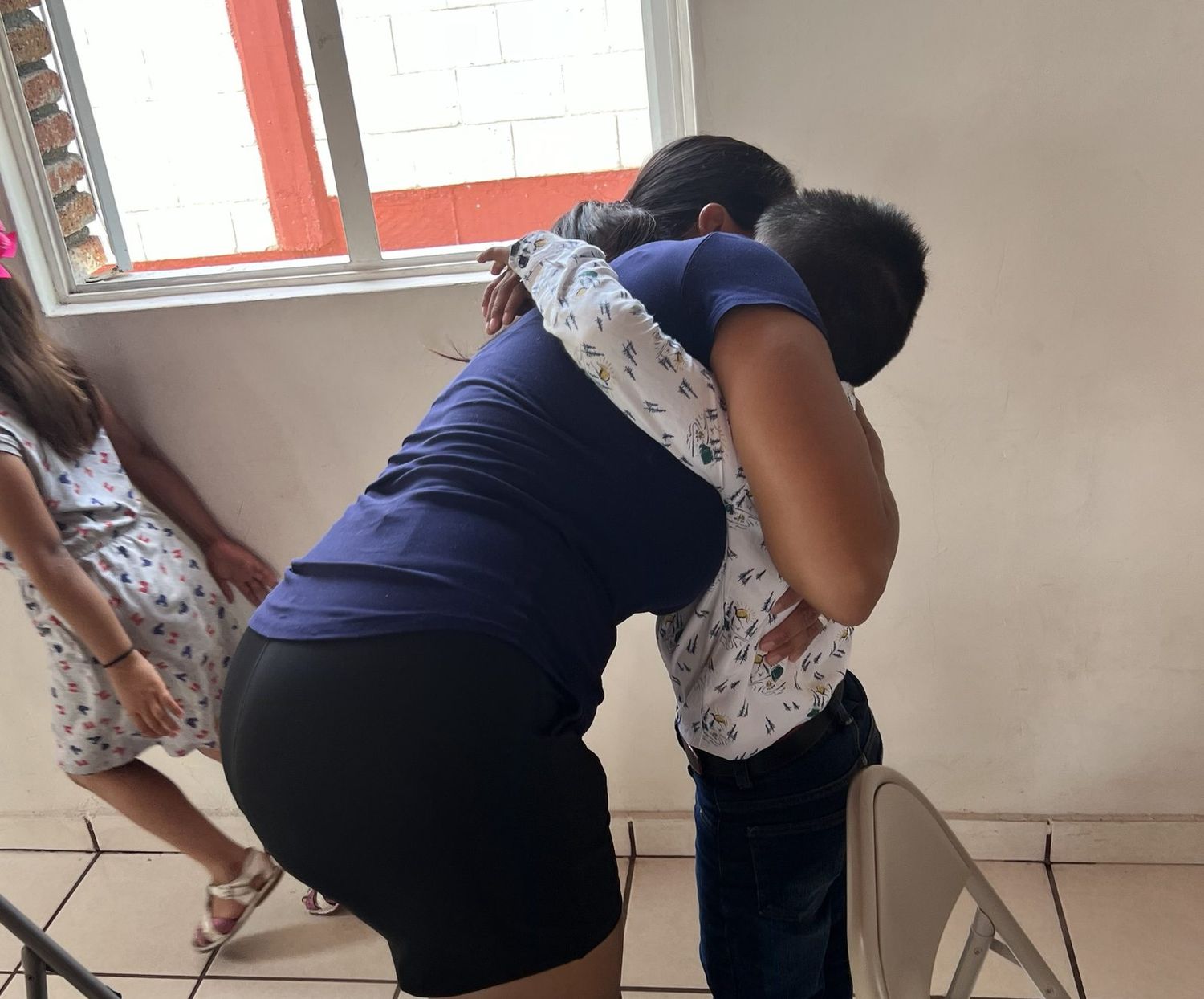
Elvia bent down, holding a boy in a full embrace inside a room at the children's home
Belonging is not a program component. It is the whole mechanism — and it is the one thing no institution can schedule.
Belonging One adult

“Someone who is still here next year.”

A trained, paid mentor on a three-year commitment — because a volunteer who stops appearing repeats the injury we are trying to undo.

Agency Their choice

“Someone finally asked what I wanted.”

Institutional life removes decisions. Every part of our program is built so the young person chooses. If they didn't choose it, it doesn't count.

Mastery One thing

“I am someone who plays, builds, fixes, draws.”

Twelve months of coaching and equipment in a pursuit they picked themselves. Competence is where identity comes from.

Horizon A future

“A tomorrow I can describe out loud.”

Documents, housing, tuition and the same mentor past eighteen — the age at which institutional care ends and most support disappears.

How it is supposed to work

The chain, stated plainly so you can hold us to it

Activities are easy to describe and easy to fake. This is the causal claim underneath them, and every measurement we take is aimed at one of these links.

Need

No one is staying

Basic care is met. Continuity, choice and a plausible future are not.

Intervention

One program, weekly

A paid mentor, English, life skills and something each young person chose.

Capability

They can do things

Speak, work with others, handle money, hold a conversation in a second language.

Opportunity

Doors that open

A certificate, an internship, an employer introduction, a place to study.

Outcome

A life they chose

Housed, working or studying, still in contact with an adult, two years on.

See the full Pathways model — cohorts, curriculum, weekly rhythm and measurement →

Impact

What we intend, and what we have actually done

Nearly every new organization blurs these two columns. We are going to keep them apart on this page for as long as the foundation exists, and the right-hand column is the one we expect to be judged on.

Targets — year one

  • One partner home in Chiapas, fully installed
  • Roughly 100 children and young people reached
  • Two trained, paid, clinically supervised mentors
  • English baselines taken for every participant
  • Individual Launch Plans for every 16–18-year-old
  • First operating dashboard published

Achieved to date

  • A partner relationship in Chiapas since 2023
  • The program model designed, written and published in both languages
  • A child safeguarding standard drafted
  • A published year-one budget, before raising anything

No children have been served by a Love La Vida program yet. The entity is still being formed. The first report will follow twelve months after the first installation, and it will contain numbers rather than adjectives.

An honest limit. With a first cohort of this size, our numbers will be a management tool rather than research. They will tell a mentor which young person is slipping, early enough to act. We will not claim more than that.

Where we work

Deep before wide, and slower than we would like

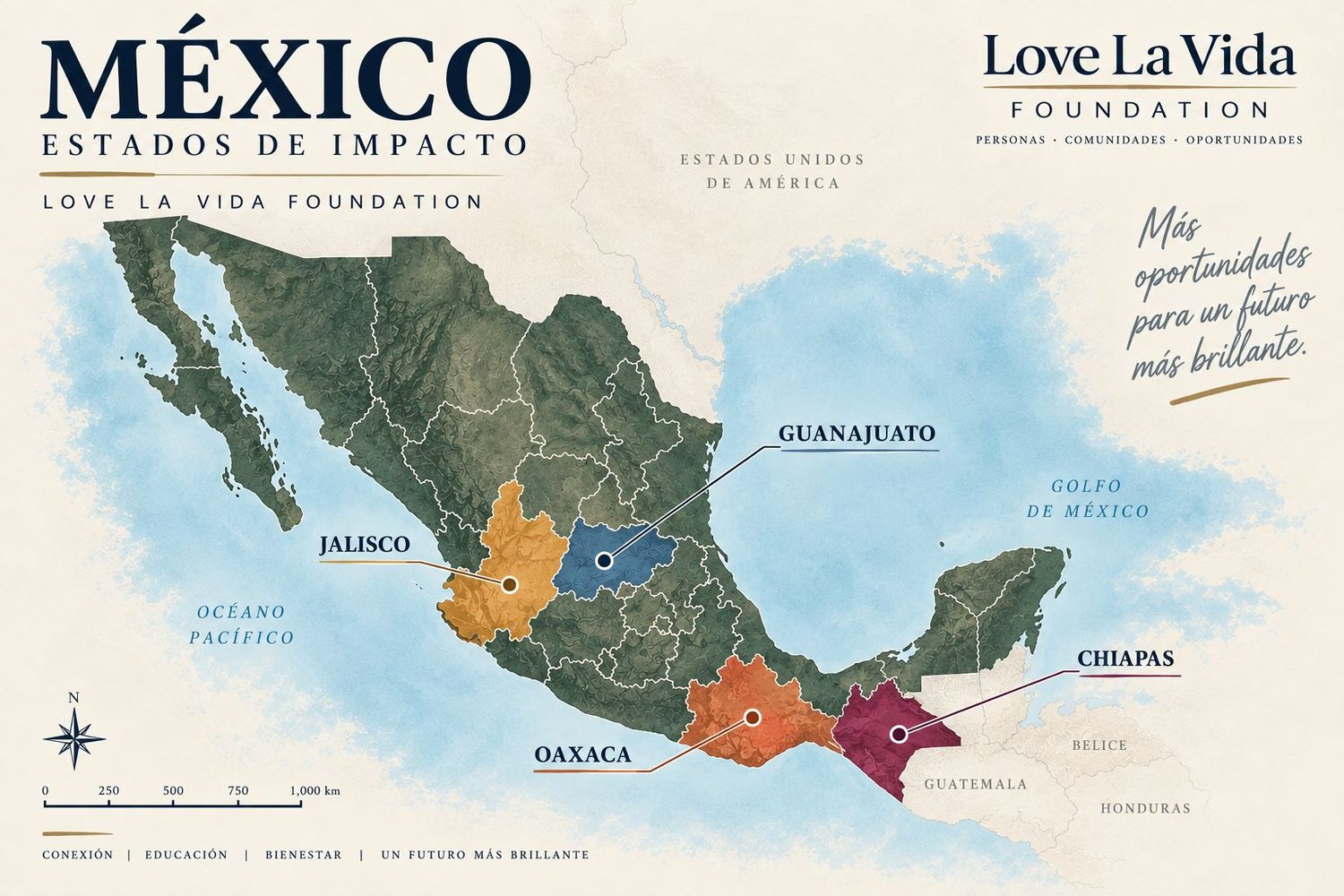
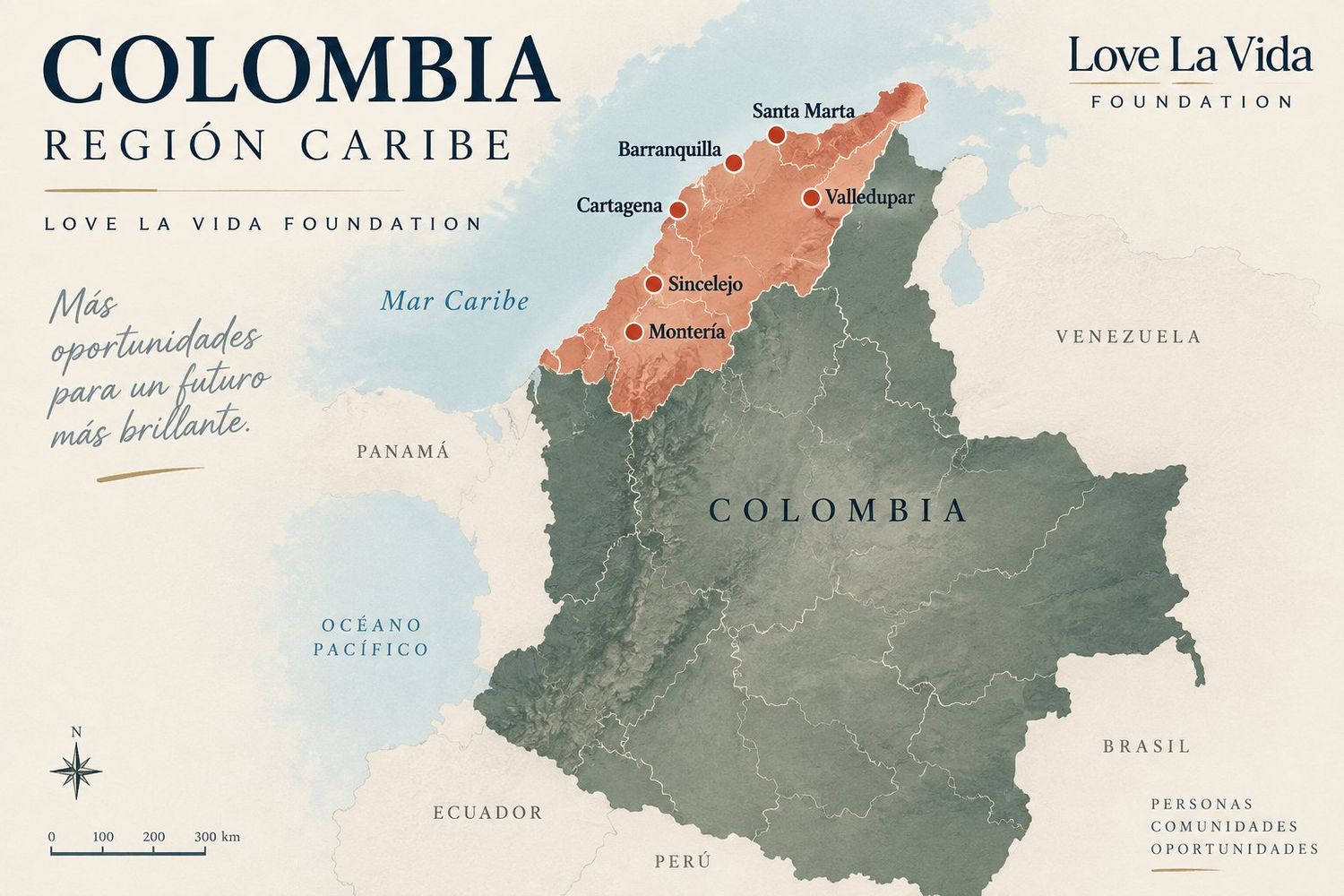
Four Mexican states in two clusters, and Colombia's Caribbean coast. Chosen because we know them, not because they were available.

Map of Mexico with Jalisco, Guanajuato, Oaxaca and Chiapas highlighted
México — Chiapas, Oaxaca, Guanajuato, Jalisco. Chiapas is where we already have a partner home, and where the first installation goes.
Map of Colombia with the Caribbean region highlighted and six coastal cities marked
Colombia — la costa caribe. No partner home here yet, and we will not run a program anywhere we do not already have a working relationship.

Why these places, and in what order →

Who we are

A small foundation that intends to stay small and go deep

Love La Vida began with the children Elvia met — and with a name that works in both the languages this foundation lives in. Love is a word nearly every young person in Mexico and Colombia already knows. La vida is theirs, and stays in their language.

We would rather profoundly change a few hundred lives than superficially touch a hundred thousand.

Elvia Kimball
Founder & Managing Director

Born and raised in Pénjamo, Guanajuato. Leads the mission, the partnerships, the programs and the work on the ground. This is hers.

Scott Kimball

Industrial & organizational psychologist, PhD. Governance, capital, measurement, and the infrastructure that lets the mission scale.

Read more about our founders →

We practice this ourselves

We don't ask these young people to want something we don't live.

We're active. We travel. We keep learning. We're still curious, still trying things, still making plans — and we do all of it together.

We love our lives because we've had the relationships, the safety and the opportunities that make a life loveable — and none of that was earned by deserving it more than anyone else. The young people we work with want exactly what we want.

What they haven't had is the conditions. Those conditions are the whole job.

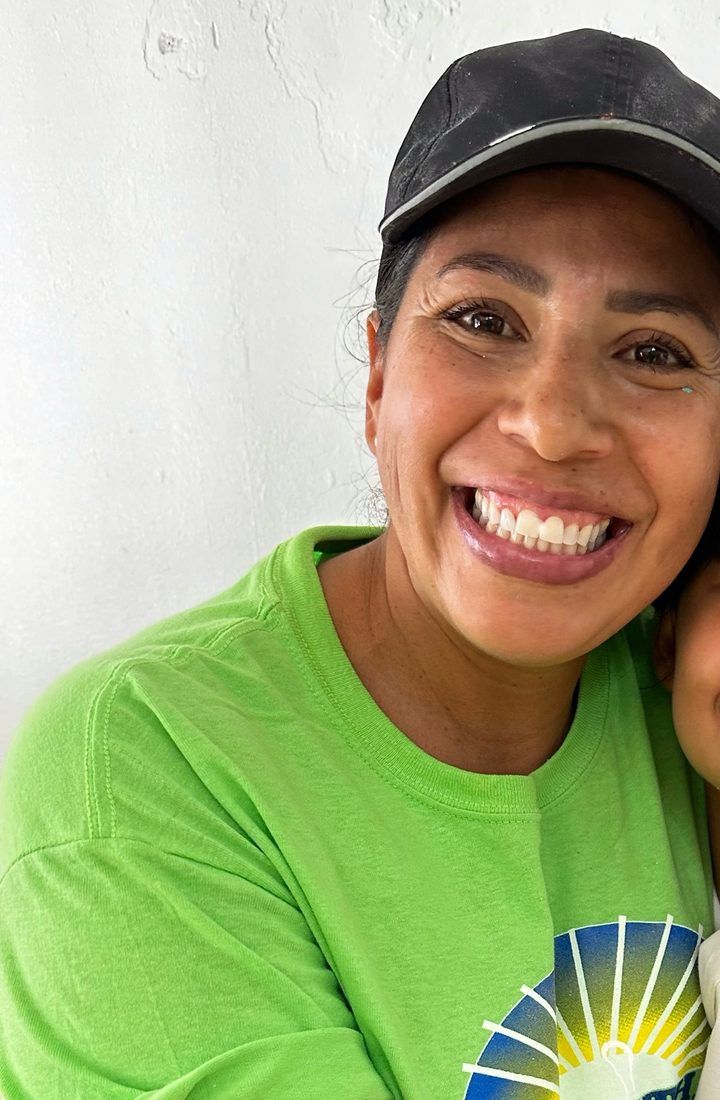
Elvia Kimball, laughing, during a visit in Chiapas
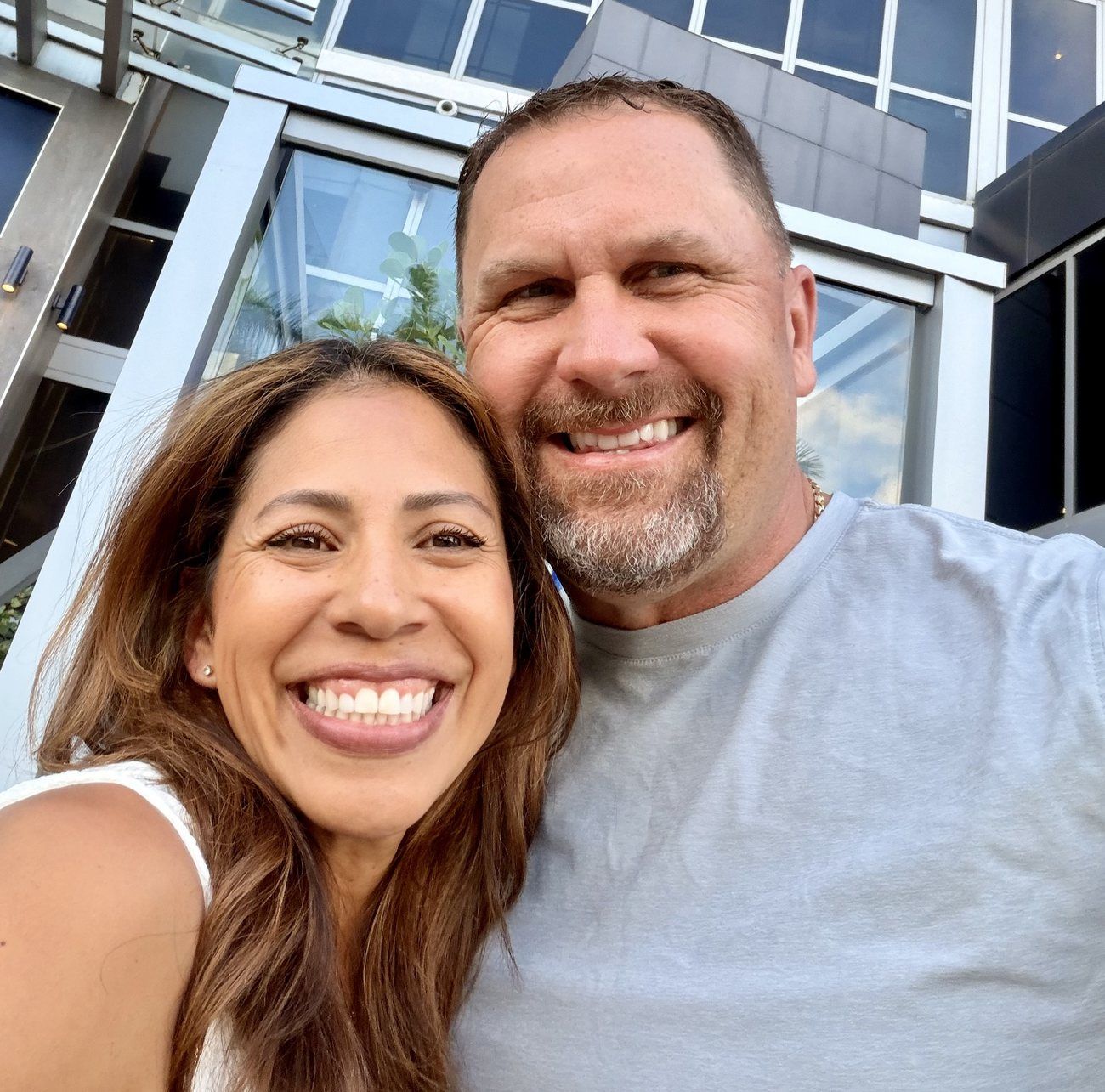
Elvia and Scott Kimball together, both laughing
Elvia and Scott Kimball.

Free to take

The first thing we can give a home we have never met

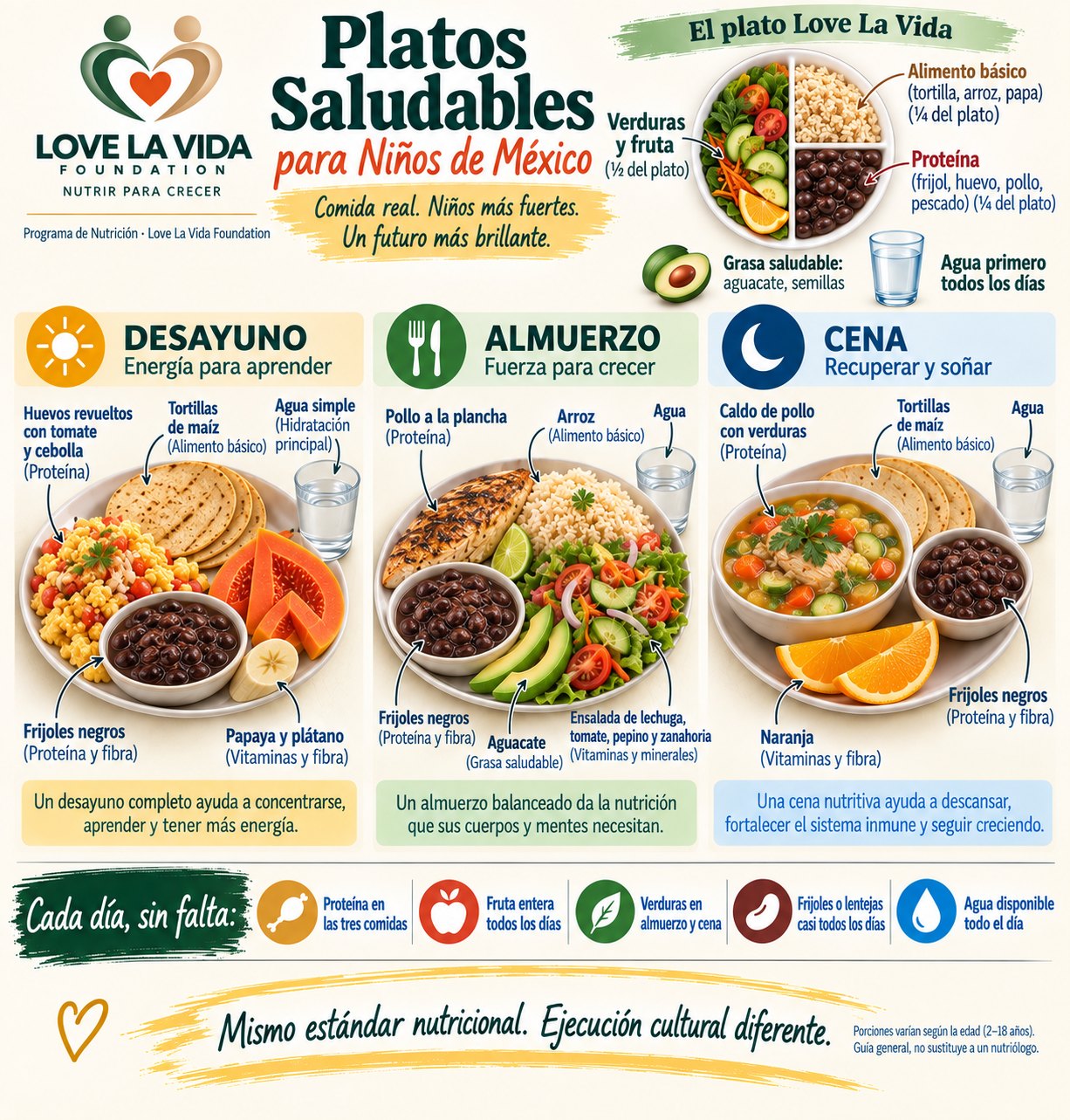
Poster: Platos Saludables para Niños de México — three balanced meals built from everyday Mexican food

Two printable posters, in Spanish, showing what a balanced day of food looks like using what is already in the kitchen — one built from Mexican food, one from the Colombian coast.

There is no email box in front of them and there is not going to be. A home feeding thirty children on a budget that does not stretch should not have to trade anything for a picture of a balanced plate.

Print them, copy them, put your own home’s name on them. They exist to be on a wall.

See the posters →

Get involved

Four things you can actually do today

Stay close

We are being built in the open

Love La Vida Foundation is being established now. We are not asking for money yet. If you would like to follow the work as it is built — including the parts that don't go to plan — leave your email.

We write rarely, and only about the work. Your address is never shared.